
BUREAU OF PUBLIC PROCUREMENT
18TH NOVEMBER, 2026
BPP, CIPS CHAMPION SUSTAINABLE PUBLIC PROCUREMENT AT COP31 AS NIGERIA MOVES TO JOIN BELÉM DECLARATION
***Positions Public Procurement as a Strategic Instrument for Climate Action, Industrial Development and Economic Resilience
The Bureau of Public Procurement (BPP), in partnership with the Chartered Institute of Procurement and Supply (CIPS), has reaffirmed Nigeria’s commitment to advancing sustainable public procurement as a strategic instrument for translating climate ambitions into practical development outcomes at the 31st United Nations Climate Change Conference (COP31) in Antalya, Turkey
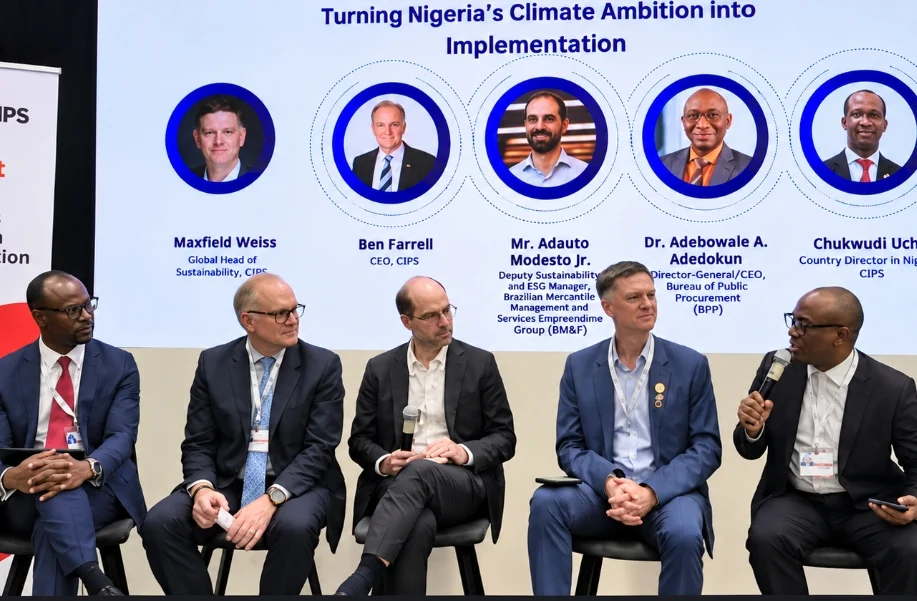
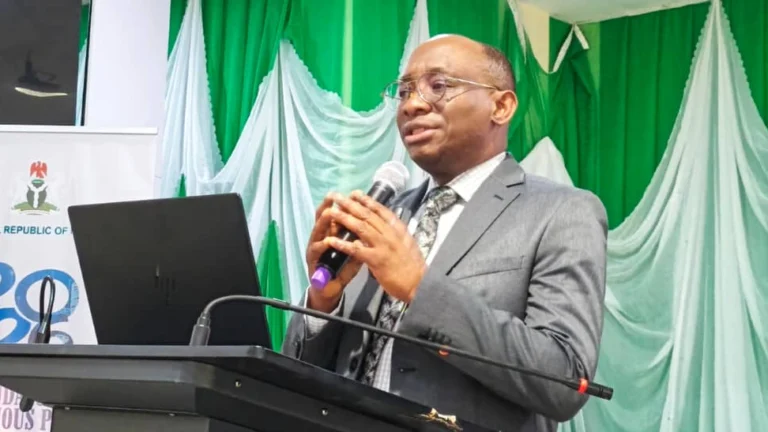
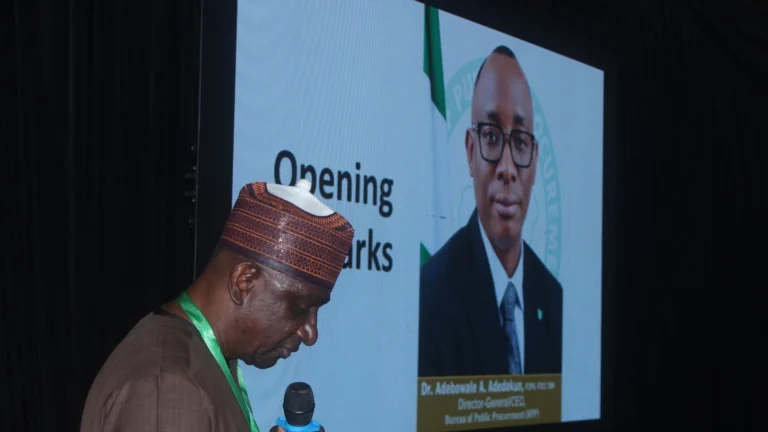
The commitment was reinforced by the Director-General and Chief Executive Officer of BPP, Dr. Adebowale A. Adedokun, FCIPS, during a high-level dialogue titled “Procurement Must Lead: Turning Nigeria’s Climate Ambition into Implementation,” held on Wednesday, 18 November 2026, at the Nigeria Pavilion, Antalya, Türkiye.
In his presentation, Dr. Adedokun emphasised that public procurement must move beyond its traditional administrative function to become a catalyst for national transformation. He noted that Nigeria’s climate commitments, particularly under its Nationally Determined Contributions (NDC 3.0), require deliberate implementation strategies supported by effective procurement planning, appropriate specifications, transparent evaluation processes and sustainable contracting arrangements.
The BPP Chief further stressed the importance of aligning sustainable public procurement with President Bola Ahmed Tinubu’s Nigeria First Policy, explaining that government purchasing power must be strategically deployed to strengthen domestic industries, promote local content, develop indigenous suppliers, create employment opportunities and enhance the competitiveness of locally manufactured products.
According to him, sustainable public procurement provides Nigeria with an opportunity to achieve multiple national objectives simultaneously, including environmental protection, industrialisation, economic diversification, technology transfer and inclusive growth. He maintained that procurement decisions must deliver measurable economic, social and environmental value rather than focus exclusively on the immediate cost of goods and services.
He stated: “Through this strategic partnership with CIPS, the Bureau is positioning Nigeria to play a more active role in shaping global conversations on sustainable public procurement while ensuring that international commitments translate into tangible benefits for the Nigerian economy and its citizens.” He further observed that public procurement accounts for an estimated 13–20 per cent of Gross Domestic Product (GDP) in many economies, underscoring its enormous potential as a strategic government instrument for influencing markets and accelerating sustainable development.
A major highlight of the engagement was Nigeria’s announcement of its decision to join the Belém Declaration on Sustainable Public Procurement, an important step towards strengthening the country’s commitment to sustainable procurement practices and international cooperation on climate action.
Responding to Nigeria’s announcement, the Deputy Vice-Minister, Ministry of Management and Innovation (MGI), Brazil, Mr. Adauto Modesto Jr., welcomed the development and highlighted opportunities for cooperation, knowledge exchange and institutional partnerships between both countries to strengthen sustainable procurement frameworks. Earlier, he shared insights into Brazil’s leadership in promoting the Belém Declaration, launched at COP30, and the policy and institutional arrangements required to translate climate commitments into practical government purchasing decisions.
Contributing to the discussion, the Chief Executive Officer of CIPS, Mr. Ben Farrell MBE, highlighted the critical role of professional procurement practitioners in driving sustainability outcomes. He stressed the importance of strengthening professional standards, leadership, technical competencies and institutional capacity to ensure that sustainable procurement policies translate into measurable results.
Similarly, the CIPS Country Director for Nigeria, Mr. Chukwudi Uche, FCIPS, emphasised the need to translate climate commitments into clear procurement priorities, measurable outcomes and market incentives that encourage suppliers to adopt environmentally responsible practices and develop resilient supply chains.
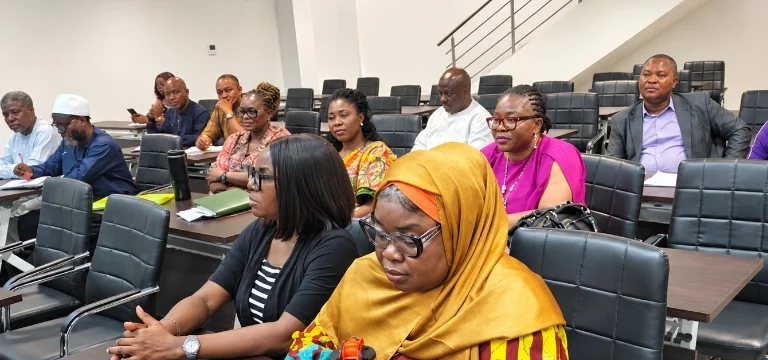
The high-level dialogue, which formed part of the CIPS Great Conversation initiative, brought together government representatives and global procurement leaders to examine how public procurement can accelerate climate action, strengthen domestic industries, promote economic competitiveness and build resilient supply chains. Participants underscored that government purchasing power, when strategically deployed, can stimulate investment, influence markets, promote sustainable production and consumption, and accelerate the transition towards climate-resilient economies.
The Director-General reaffirmed the Bureau’s commitment to collaborating with relevant government institutions, professional bodies, development partners and the private sector to ensure that public procurement becomes a powerful driver of Nigeria’s climate ambitions, industrial transformation and sustainable national development. Insights from the dialogue are expected to contribute to CIPS’ Great Response and generate practical recommendations for strengthening sustainable public procurement in Nigeria and beyond.
The session featured Dr. Adebowale A. Adedokun, FCIPS; Mr. Adauto Modesto Jr., Deputy Vice-Minister, Ministry of Management and Innovation, Brazil; Mr. Ben Farrell MBE, Chief Executive Officer, CIPS; and Mr. Chukwudi Uche, FCIPS, Country Director, CIPS Nigeria. The discussion was moderated by Mr. Maxfield Weiss, Global Head of Sustainability, CIPS.
Chijioke-Adindu Ijeoma, ANIPR
Head (Information and Public Relations)
Bureau of Public Procurement
Ijeoma.chijioke-adindu@bpp.gov.ng
About The Author

Comments